Serviced Accommodation and Airbnb — The Fire Safety Rules Most Hosts Don't Know Exist
Short-term letting has exploded over the past few years — and a lot of hosts and operators have unknowingly stepped into a category of fire safety obligation that's stricter than they realise, precisely because it doesn't feel like "running a business" the way a shop or office does.
Why serviced accommodation is treated differently
A residential property being lived in by its owner is one thing. The same property being let out to paying guests on a short-term basis is, in fire safety terms, a commercial operation — closer to a small hotel than a private home, regardless of how it's marketed or how many nights it's let for.
That distinction matters because guests are:
- Unfamiliar with the building's layout, exits, and escape routes
- Often arriving late at night, sometimes after travel or drinking
- Not present long enough to learn where things are the way a resident would
All of that increases risk, which is exactly why regulation treats this category more seriously than a standard let.
What this actually means in practice
Depending on the size, layout, and number of guests a property can accommodate, obligations can include:
- A proper Fire Risk Assessment specific to the property's use as short-term accommodation — not a generic domestic checklist
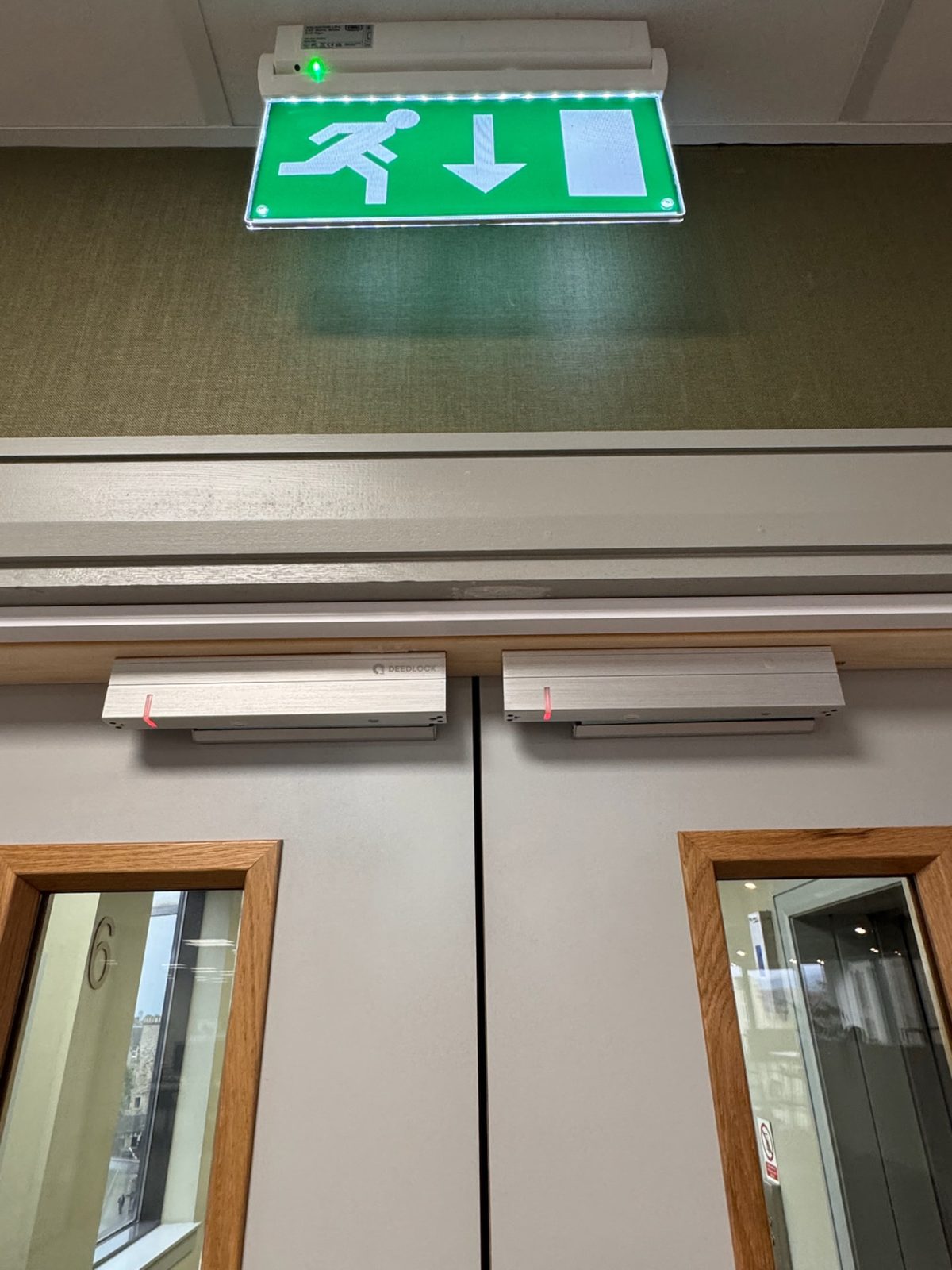
- Clear, visible escape routes and adequate signage, especially important where guests won't know the layout
- Working smoke and heat detection appropriate to the property (often beyond standard domestic smoke alarm requirements)
- Fire safety information provided to guests in an accessible format — not buried in a welcome pack nobody reads
- Appropriate fire extinguishers or fire blankets where kitchens are provided
- Clear guidance for larger properties or those sleeping bigger groups, where requirements step up further
Where we see hosts get caught out
The most common issue isn't malice or negligence — it's simply not knowing this category of obligation exists. Many hosts genuinely believe that because the property has a working smoke alarm and a fire extinguisher in the kitchen, they're covered. That's rarely enough on its own once a property is being actively let to paying guests.
We also increasingly see this catch out operators managing several properties across a portfolio — what applies to one flat can differ from another depending on layout, occupancy, and whether it's within a multi-let building (see our piece on landlord vs tenant responsibility for how that adds another layer).
What to do if you're not sure
If you're operating — or planning to operate — any kind of short-term let, serviced apartment, or Airbnb-style accommodation, it's worth getting a proper assessment specific to that use, rather than assuming a standard domestic setup covers you.
Fire Check Scotland regularly works with serviced accommodation operators and short-let landlords across Scotland. Get in touch and we'll tell you exactly what applies to your property.
Need clarity on your compliance position?
Speak to Fire Check Scotland for a straightforward, no-obligation conversation about your property.
Book a Fire Safety Consultation