What Actually Happens During a Fire Risk Assessment?
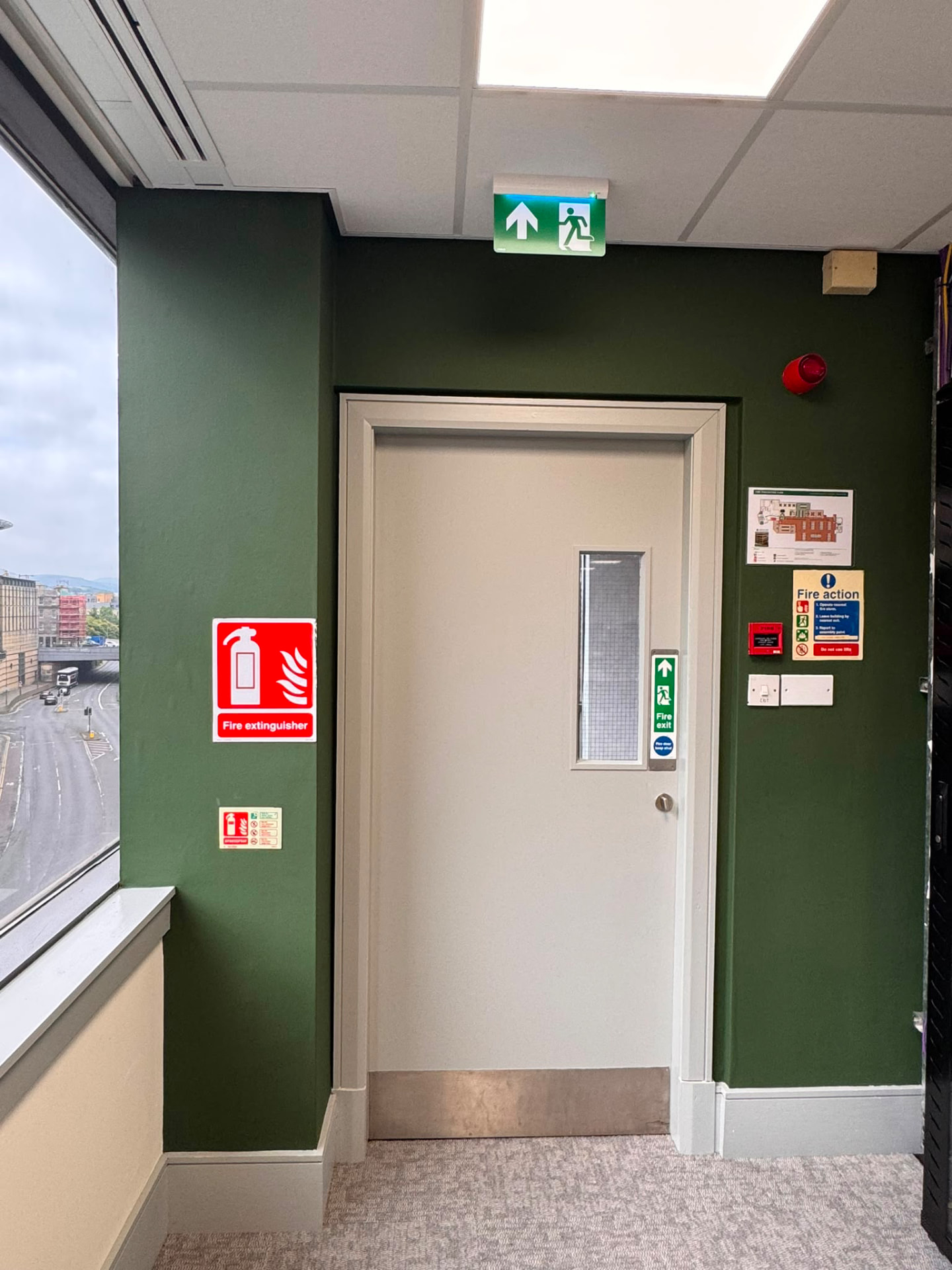
If you've never had a Fire Risk Assessment done before, it's completely normal to be a bit unsure what to expect. Will it disrupt your business for the day? Do you need to prepare anything? Is someone going to turn up and start finding fault with everything? Here's exactly what actually happens, start to finish.
Before the visit
A proper assessment starts before anyone sets foot on your premises. We'll usually ask a few questions up front — the type of premises, how it's used, roughly how many people occupy it, and whether anything's changed recently (an extension, a change of use, new tenants). This helps scope the visit properly and means we're not walking in blind.
You don't need to do anything special to prepare — no need to tidy up beyond your normal operations, and there's no need to close for the day. The assessment works around your business, not the other way round.
On the day
A walk through the whole premises
We look at the building as it's actually used, not just as it appears on a floor plan. That includes all escape routes, fire doors, storage areas, electrical installations, kitchens if applicable, and any areas where people gather or sleep.
Identifying hazards and people at risk
We're looking for sources of ignition, fuel, and anything that could accelerate a fire, alongside who would actually be present and how vulnerable they might be — staff, visitors, overnight guests, anyone with mobility considerations.
Checking existing fire safety measures
Alarms, extinguishers, emergency lighting, signage, fire doors — we check not just that these things exist, but that they're actually working, maintained, and appropriate for the building.
A conversation, not an interrogation
We'll usually talk to whoever's on site — you, a manager, staff — about how things actually work day to day. This often surfaces things that wouldn't be obvious from a visual inspection alone, like how evacuation actually happens in practice versus what's written down.
The on-site portion typically takes anywhere from an hour for a small, simple premises to most of a day for something larger or more complex — we'll give you a realistic estimate before we arrive.
After the visit
A written report
You'll receive a clear, documented assessment covering what we found, who's at risk, and specific, prioritised recommendations — not a vague list of problems with no guidance on what to actually do about them.
A conversation about next steps
If anything significant comes up, we'll talk you through it directly rather than just leaving you with a document to interpret on your own. Some findings are quick, low-cost fixes; others might need more planning, and we'll be straightforward about which is which.
Ongoing support if you need it
If a recommendation needs specialist work — fire door repairs, alarm upgrades, and so on — we can point you in the right direction, and we're on hand if anything comes up later that affects your compliance.
What it isn't
It's not a test you can fail in a way that gets you into immediate trouble — an assessment identifying issues is exactly the point of having one done, and it puts you in a stronger position, not a weaker one, because you now have a documented plan to address them. The risk isn't in what an assessment finds. It's in not having one at all.
If you're booking your first Fire Risk Assessment and want to know exactly what to expect for your specific premises, get in touch with Fire Check Scotland and we'll talk you through it before you book anything.
Where to go next
Our guide to how fire compliance works in Scotland explains the law and what it expects of you. If you already know you need a formal assessment, see fire risk assessments. If you are not sure what to tackle first, a Fire Safety Action Plan sets out the priorities for your premises.
Need clarity on your compliance position?
Speak to Fire Check Scotland for a straightforward, no-obligation conversation about your property.
Book a Fire Safety Consultation