Hotel and Hospitality Fire Safety — What Inspectors Actually Check For
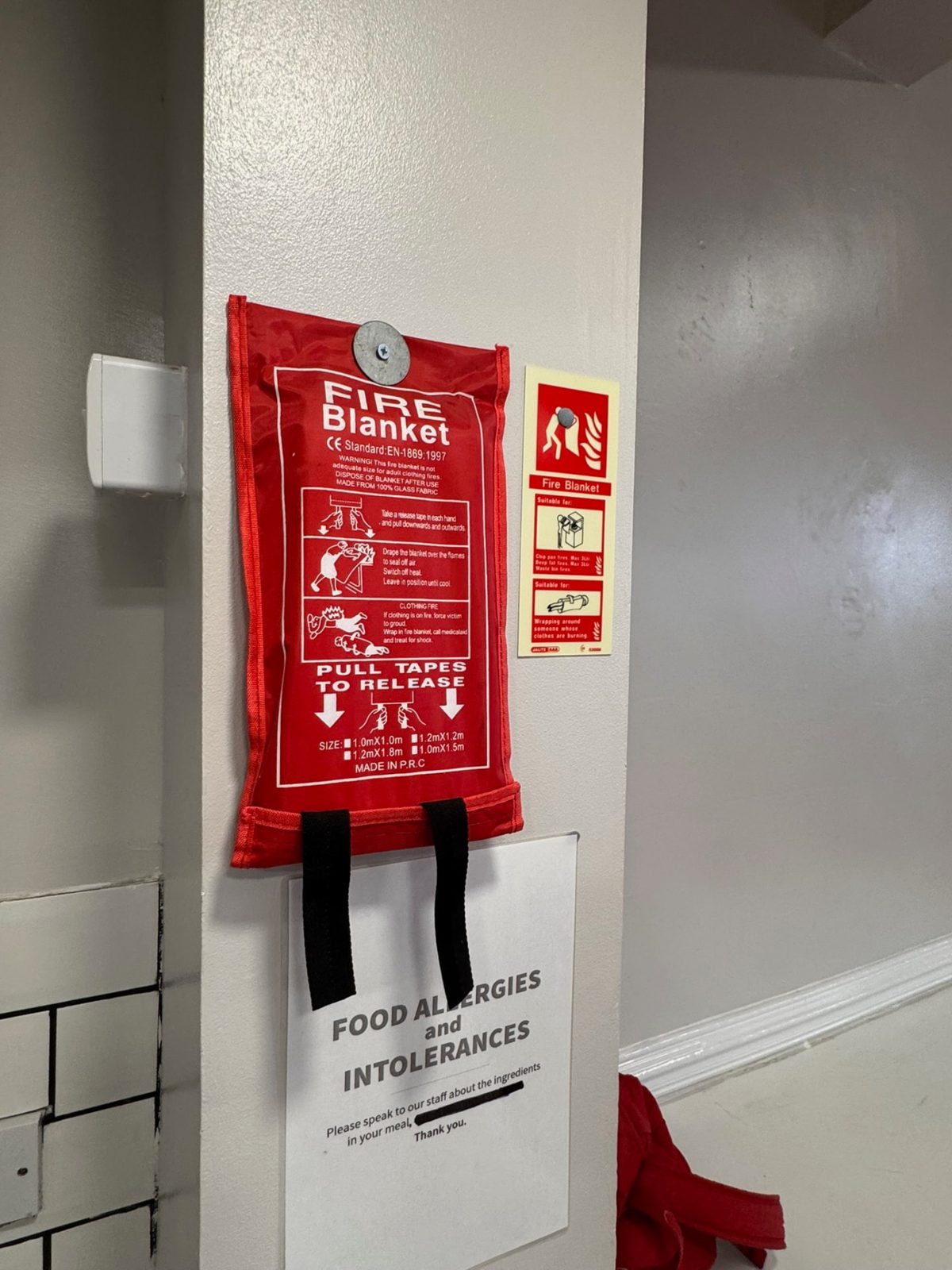
Hotels, guest houses, and hospitality venues sit at the sharper end of fire safety obligation, and for good reason: you've got members of the public sleeping overnight in a building they don't know, often after a drink or two, in rooms above ground level. That combination of factors is exactly why hospitality premises get more scrutiny than a standard office or shop.
Why hospitality is treated as higher risk
The core issue is unfamiliarity plus vulnerability. A guest doesn't know where the fire exits are, doesn't know the layout, and may be asleep when an alarm goes off. Compare that to an office where staff work the same space daily and know exactly how to get out — the risk profile is completely different, and the law reflects that.
What inspectors focus on in hospitality premises
Escape routes and travel distances. Corridors and stairwells need to allow guests to reach a place of safety within an appropriate time, from every guest room, at any hour. Layout changes — an extra partition, furniture left in a corridor, a locked fire exit door — get flagged immediately.
Fire doors on every guest room. Every bedroom door in a hotel typically needs to be fire-rated and self-closing. This is one of the most commonly checked — and most commonly failed — elements in hospitality inspections, precisely because guest room doors get replaced or adjusted over time without anyone thinking about fire rating.
Detection and alarm coverage. Smoke detection needs to cover guest rooms individually, not just communal areas, and the alarm system needs to be audible throughout the building, including to a sleeping guest with the door closed.
Emergency lighting. Corridors and stairwells need working emergency lighting so escape routes remain visible if the power fails — something easy to overlook until it's tested.
Fire safety information for guests. Clear instructions in every room (usually on the back of the door) showing the nearest exit and what to do in an emergency. Basic, but frequently missing, outdated, or written for a layout that's since changed.
Staff training and fire procedures. Inspectors want evidence that staff — not just management — know the evacuation procedure, how to raise the alarm, and their role if a fire is discovered. A written procedure that nobody's actually been trained on isn't worth much in practice.
Kitchen and back-of-house risk. Commercial kitchens carry their own specific fire risks (extraction systems, deep fat fryers, gas appliances) that need separate, specific attention beyond the general building assessment.
Why generic assessments fall short here
A fire risk assessment written for a standard office building simply doesn't translate to a hotel. The occupancy patterns, the sleeping risk, the number of exits per guest room, and the kitchen risk all need specific, sector-appropriate assessment — not a generic template with "hotel" written at the top.
What this means if you operate hospitality premises
If your current assessment wasn't written specifically with sleeping accommodation and hospitality risk in mind, it's worth having it properly reviewed. This is one of the highest-risk categories under fire safety law, and it's treated that way by inspectors and insurers alike.
Fire Check Scotland works directly with hotels and hospitality operators across the sector. Get in touch to make sure your assessment properly reflects the risks specific to your business.
Where to go next
Our guide to how fire compliance works in Scotland explains the law and what it expects of you. If you already know you need a formal assessment, see fire risk assessments. If you are not sure what to tackle first, a Fire Safety Action Plan sets out the priorities for your premises.
Need clarity on your compliance position?
Speak to Fire Check Scotland for a straightforward, no-obligation conversation about your property.
Book a Fire Safety Consultation